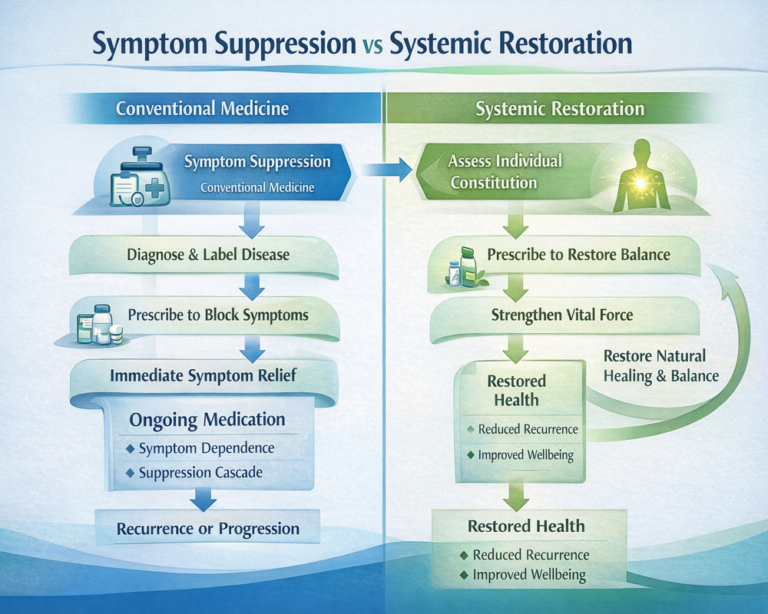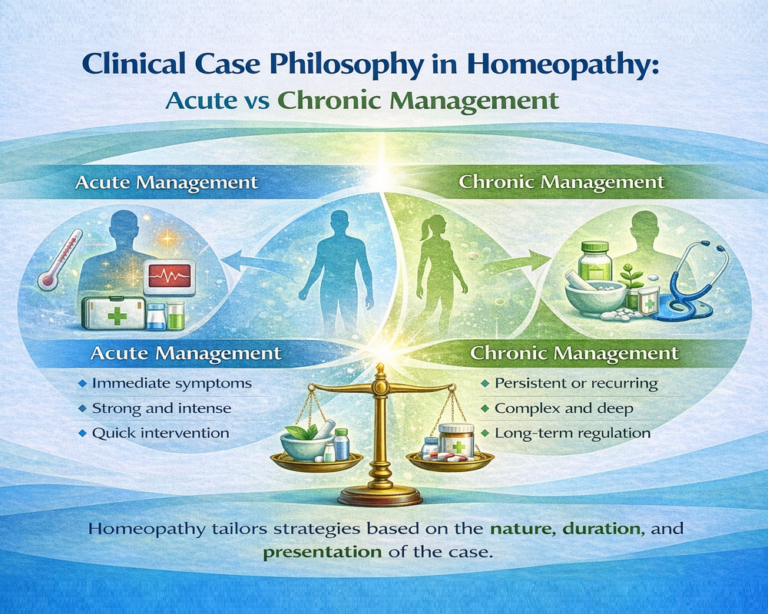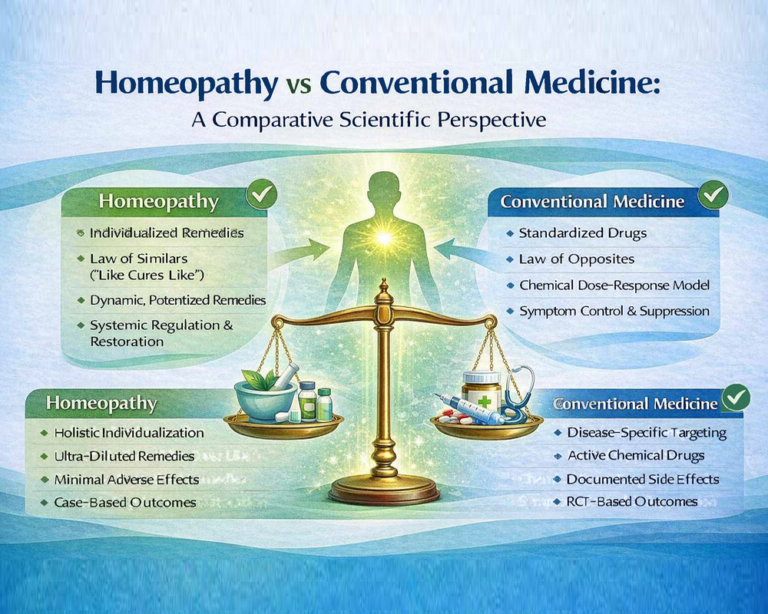
Homeopathy has long been misunderstood in the context of modern biomedical science, particularly concerning its use of potentized remedies and serial dilutions. This article explains these concepts clearly, presenting homeopathy as a structured, competitive scientific system with its own pharmacological logic.
Understanding Potency in Homeopathy
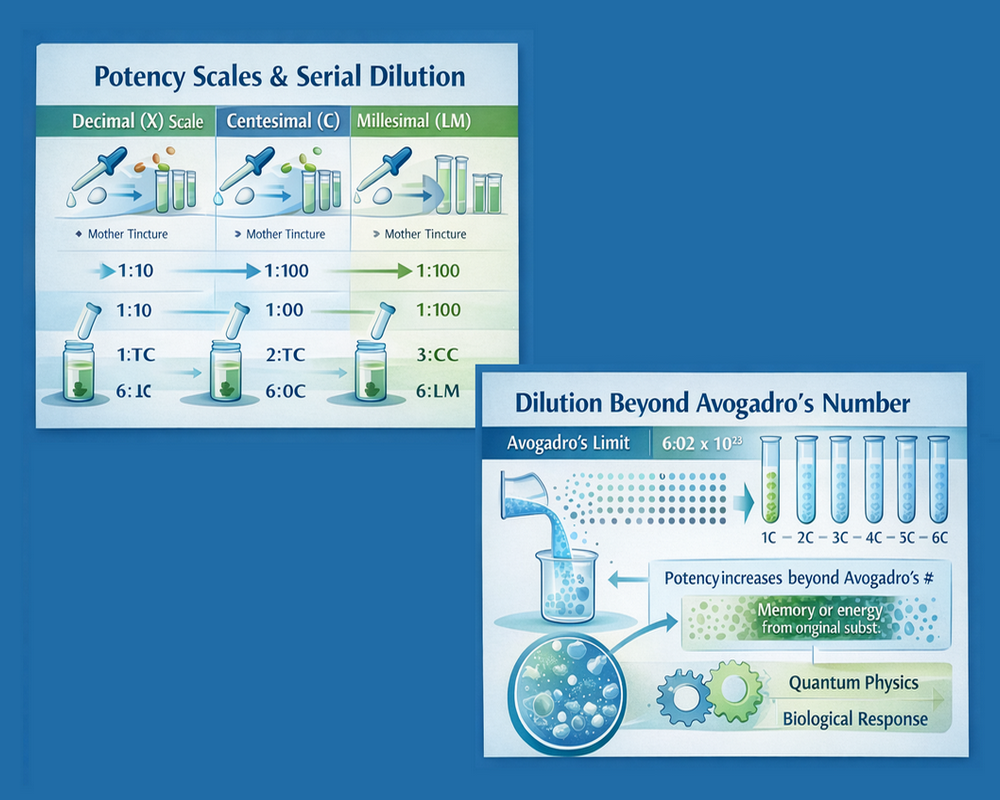
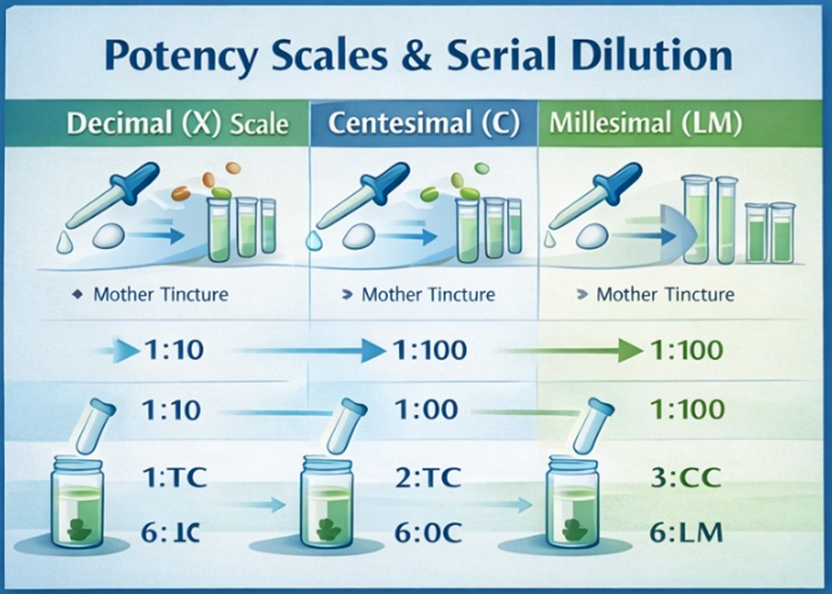
In homeopathy, potency refers to the strength and depth of a remedy’s therapeutic action rather than its quantity. Remedies are prepared through serial dilution and succussion (vigorous shaking), which, according to homeopathic philosophy, enhance the dynamic medicinal properties while minimizing toxicity. Potency scales include:
- Decimal (X) Scale: 1 part substance in 9 parts solvent
- Centesimal (C) Scale: 1 part substance in 99 parts solvent
- Millesimal (LM) Scale: 1 part substance diluted 1:50,000 at each step
Dilution Beyond Avogadro’s Number
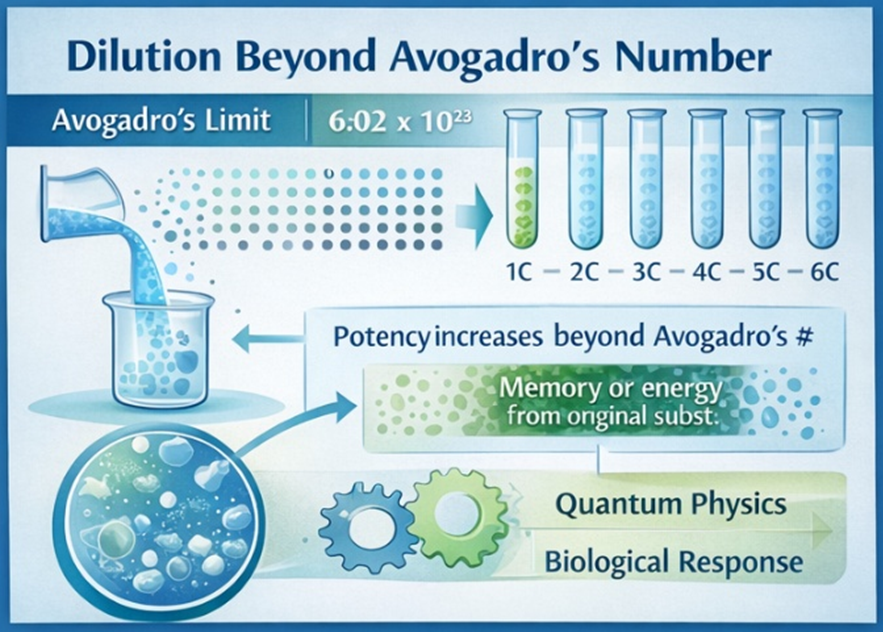
Critics often point out that high-potency remedies exceed Avogadro’s number, suggesting that no molecules of the original substance remain. From a conventional chemistry perspective, this appears paradoxical. However, homeopathy interprets efficacy not through material quantity but through qualitative transformation and dynamic action on the organism, reflecting principles akin to complex systems and non-linear biological responses.
Scientific Perspective and Observations
While traditional randomized controlled trials may fail to capture the individualized and systemic effects of homeopathy, observational studies and clinical experience demonstrate reproducible patient responses. Emerging research on nanoparticles, solvent structuring, and biofield interactions provides potential frameworks for understanding these effects, though comprehensive validation remains in progress.
Integrative Scientific Philosophy
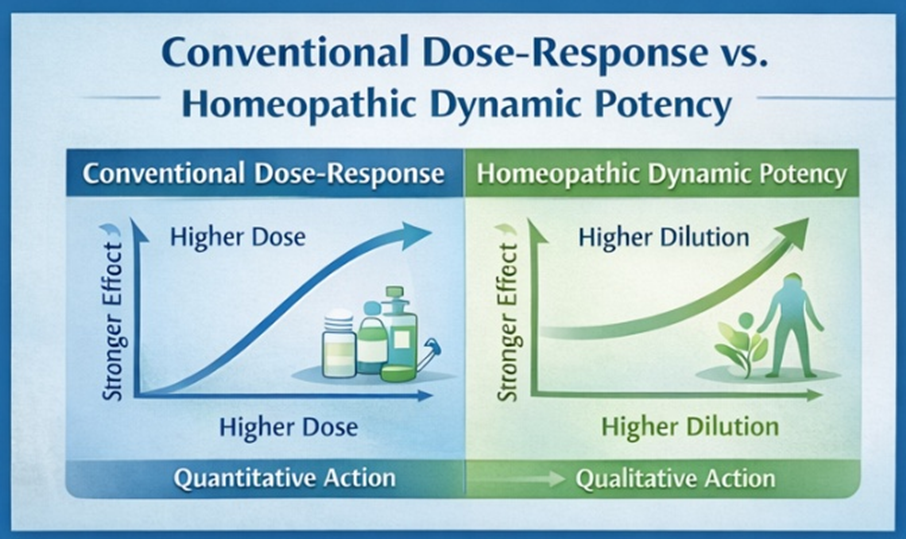
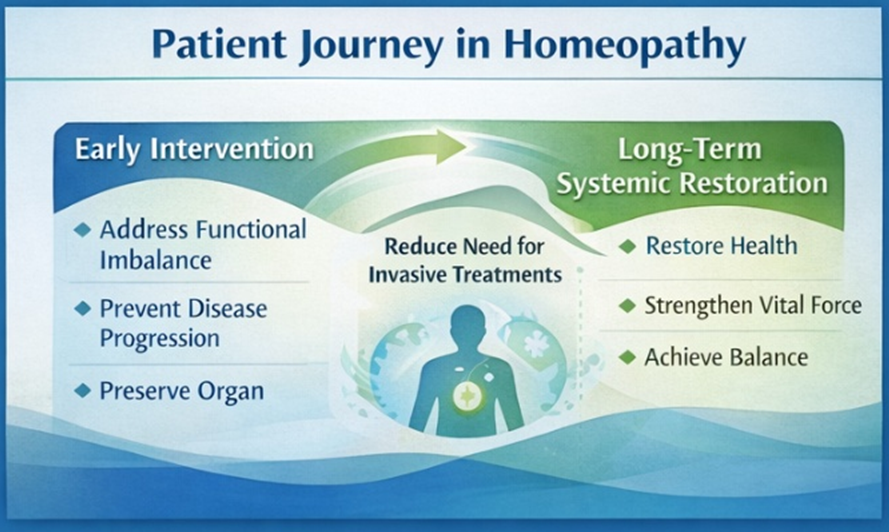
Homeopathy is a complete medical system with its own pharmacology, preparation methodology, and clinical logic. Its potency concept aligns with patient-centered, systemic healing rather than conventional dose-response models. Recognizing homeopathy as a scientific system allows integration with conventional medicine, particularly for preventive care, organ preservation, and supportive therapy.
Key Takeaways
- Potency reflects therapeutic depth, not material concentration.
- Serial dilution and succussion are systematic methods to enhance dynamic medicinal action.
- Remedies beyond Avogadro’s number are active within homeopathic philosophical and clinical frameworks.
- Homeopathy offers a scientifically structured approach complementary to conventional medicine, particularly in long-term and preventive care.
FAQs and Infographic Suggestions
FAQs:
- How can remedies work if no molecules remain?
Homeopathy posits dynamic action, system stimulation, and informational imprinting rather than molecular interaction. - What do X, C, and LM potencies mean?
They indicate dilution ratios and steps of potentization. - Is there scientific evidence supporting high-potency remedies?
Observational and clinical evidence show reproducible effects; ongoing research investigates possible mechanisms such as nanoparticles and non-linear biological interactions.
About the Author