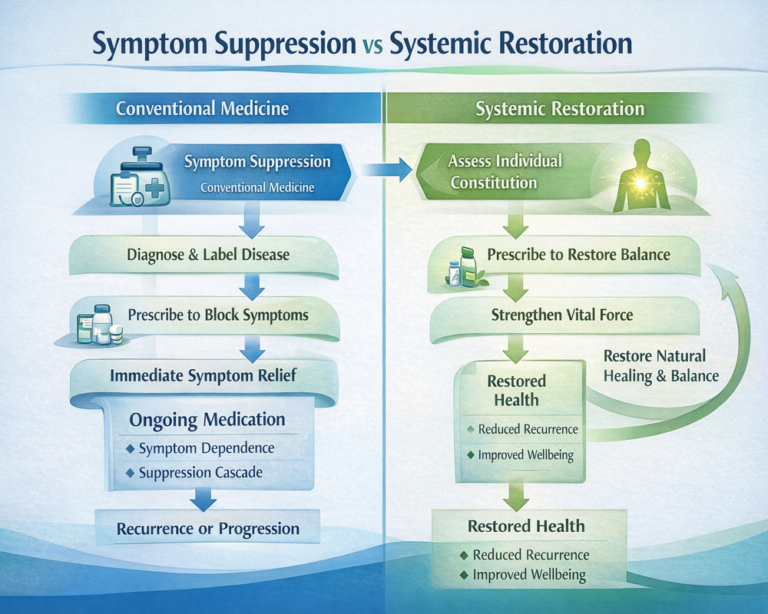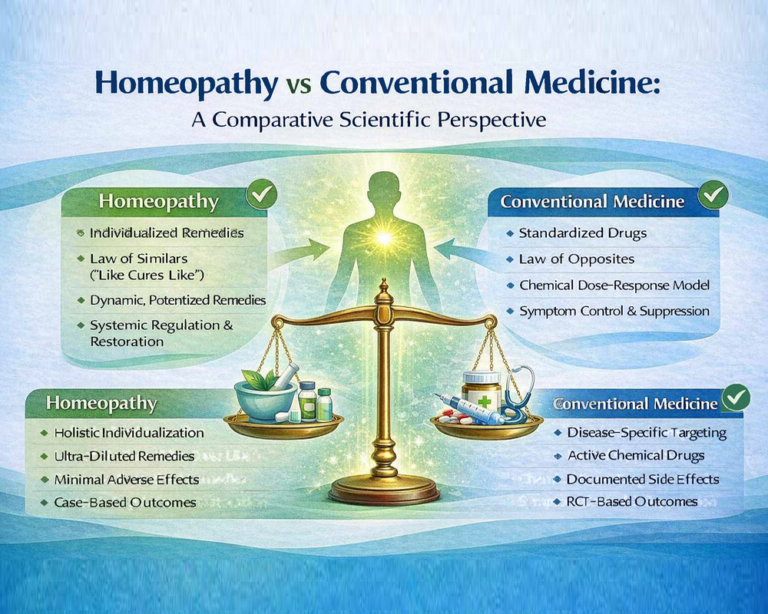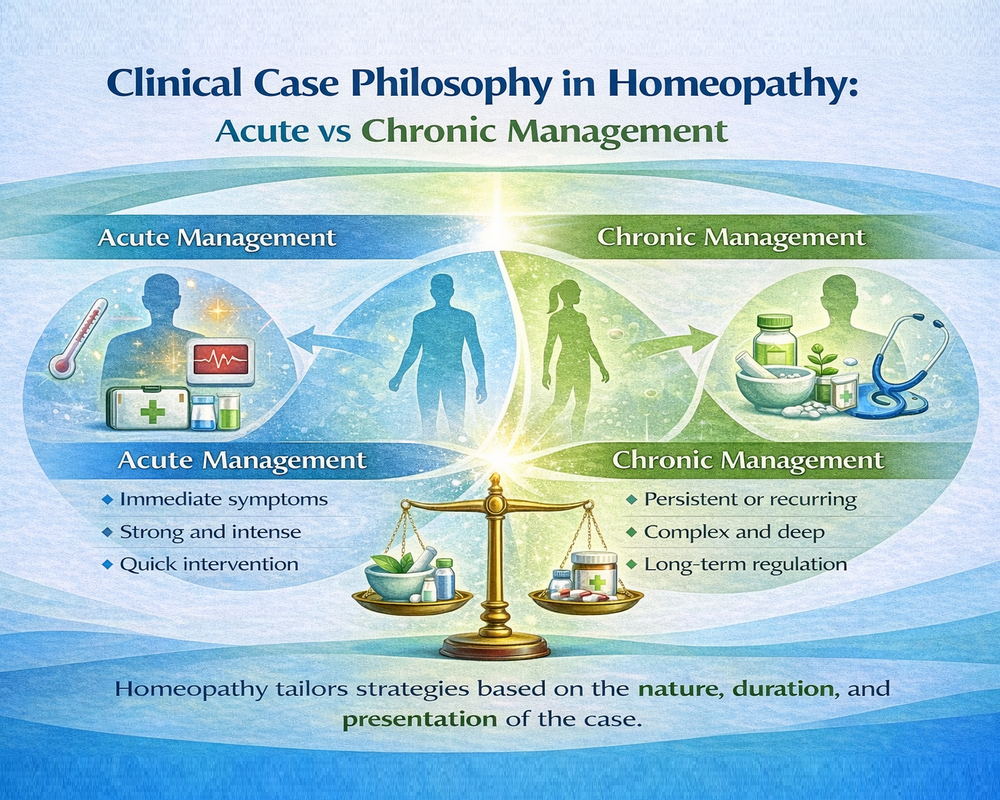
Homeopathy is a structured, evidence-informed medical system that differentiates clinical management strategies based on the acuity and chronicity of disease. This article presents an academic-style examination of homeopathic case philosophy, emphasizing individualized care, constitutional assessment, and systemic healing.
Acute Case Management
Acute conditions, including infections, febrile episodes, injuries, or sudden-onset illnesses, are addressed in homeopathy through rapid, targeted interventions. Remedies are selected according to the totality of presenting symptoms, encompassing physical, mental, and emotional states. Key objectives include:
- Mitigation of immediate symptomatology
- Facilitation of endogenous self-regulatory mechanisms
- Prevention of disease progression or complication
Clinical examples demonstrate that homeopathic intervention in acute cases is oriented toward fast-acting relief, while minimizing iatrogenic effects and supporting natural recovery pathways.
Chronic Case Management
Chronic disease management in homeopathy involves systematic evaluation of constitutional type, history, and systemic imbalances. Chronic management principles include:
- Identification of underlying etiological and susceptibility factors
- Prescription of deep-acting remedies targeting systemic regulation
- Continuous monitoring and adjustment of treatment based on individual response patterns
The approach prioritizes organ preservation and functional restoration, with therapeutic strategies designed to reduce progression toward irreversible pathology. In severe or advanced cases, homeopathy may function adjunctively with conventional medicine, optimizing outcomes pre- or post-surgical intervention.
Integrative Clinical Philosophy
Homeopathy and conventional medicine represent complementary frameworks rather than mutually exclusive systems. Conventional medicine addresses structural pathology, emergency care, and acute intervention, whereas homeopathy emphasizes preventive, restorative, and supportive strategies. This integrative approach optimizes patient outcomes through synergistic utilization of both systems, respecting the scope and strengths of each.
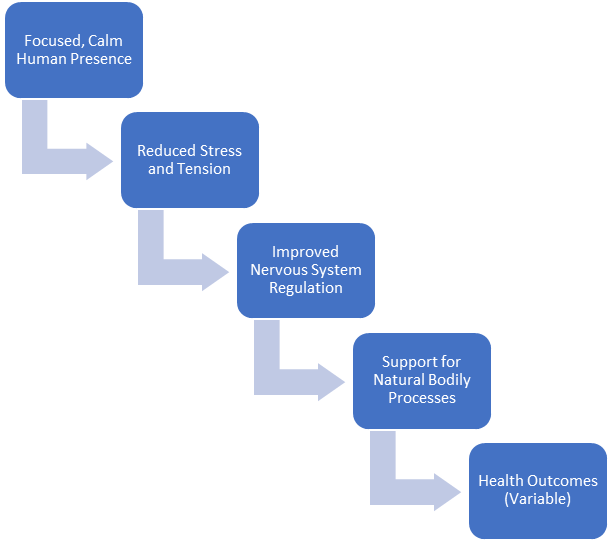
The clinical case philosophy exemplifies homeopathy as a methodologically coherent system, with empirically observable patterns of response in acute and chronic conditions. Although conventional biomedical research methodologies may inadequately capture individualized and systemic interventions, homeopathy maintains internal consistency and reproducibility within clinical practice, forming a valid foundation for continued observational and clinical research.
About the Author